
How to Choose External Wall Cladding for an Australian Home
Choosing external wall cladding is one of the most impactful decisions you'll make in a home renovation or new build. The right cladding transforms the look of your home, protects it from the elements, and can add significant value to your property. The wrong choice can mean costly maintenance, premature deterioration, and a finish that looks tired within a few years.
This guide walks you through everything you need to know to choose the right external wall cladding for your Australian home.
Why External Cladding Matters More in Australia
Australia's climate is uniquely demanding on building materials. Depending on where you live, your cladding needs to withstand:
- Intense UV radiation — Australian sun is among the harshest in the world, causing rapid fading and degradation in lower-quality materials
- Coastal salt air — accelerates corrosion and surface deterioration in materials not rated for marine environments
- High humidity and heavy rainfall — particularly in Queensland, Northern Territory, and coastal NSW
- Extreme heat cycles — materials expand and contract significantly, causing cracking and warping in poorly engineered products
- Bushfire risk zones — BAL-rated cladding requirements apply in many Australian regions
Choosing a cladding material that isn't engineered for these conditions is one of the most common and costly mistakes Australian homeowners make.
Types of External Wall Cladding Available in Australia
1. Timber Cladding
Timber weatherboards and shiplap cladding have a long history in Australian architecture. They offer a warm, natural aesthetic that suits heritage, coastal, and contemporary homes alike.
Pros: Natural look, can be painted or stained in any colour, repairable
Cons: Requires painting or oiling every 2–5 years, susceptible to rot, termites, and moisture damage, high ongoing maintenance cost
Best for: Heritage homes, traditional aesthetics, low-humidity inland areas
2. Fibre Cement Cladding
Fibre cement (such as Hardiplank) is a popular mid-range option offering good durability and a clean finish. It's non-combustible, making it suitable for bushfire-prone areas.
Pros: Fire resistant, low maintenance compared to timber, paintable
Cons: Heavy, requires professional installation, can crack if not installed correctly, still needs repainting over time
Best for: Bushfire zones, contemporary homes, budget-conscious builds
3. Brick and Stone Veneer
Brick and stone veneer cladding delivers a premium, timeless look with excellent durability. It's a popular choice for prestige homes and feature walls.
Pros: Extremely durable, low maintenance, excellent thermal mass
Cons: High cost, heavy (requires structural support), limited design flexibility once installed
Best for: Prestige homes, feature walls, traditional and contemporary styles
4. PVC and Composite External Cladding
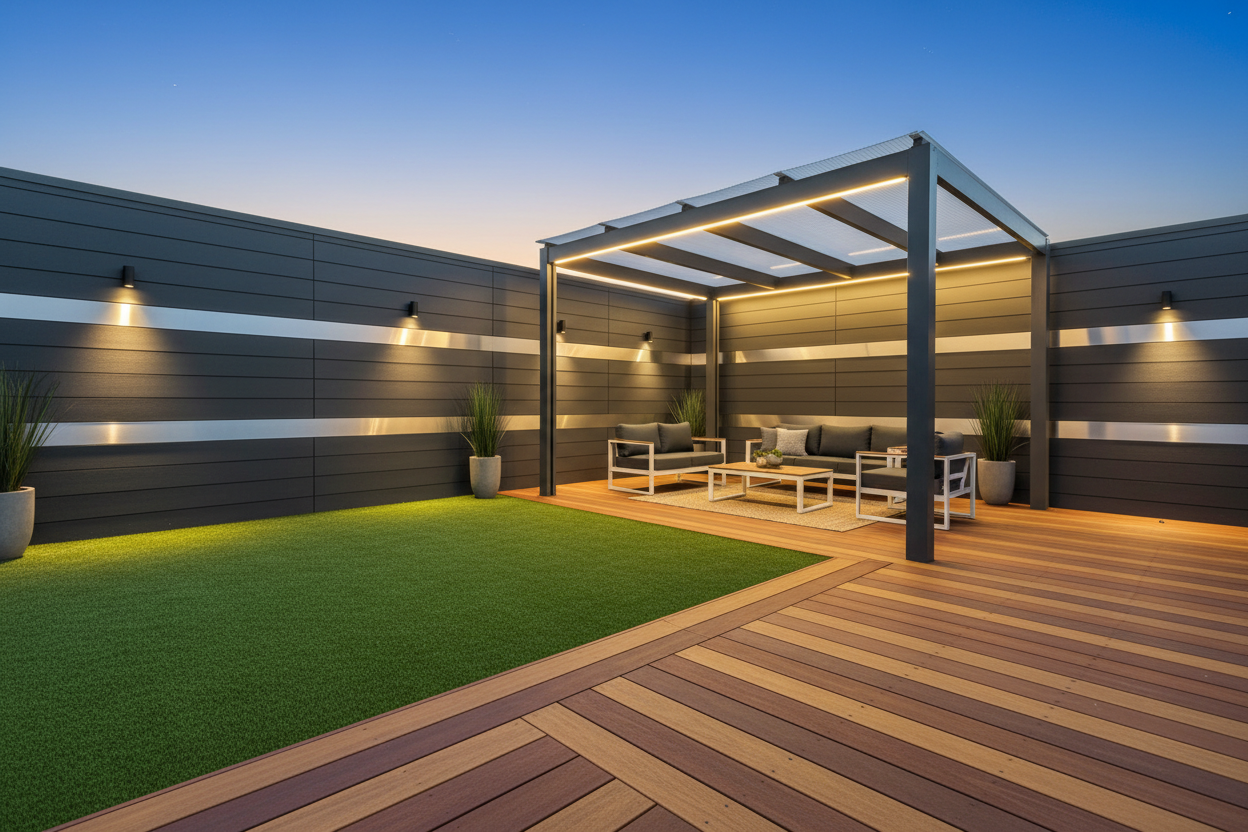
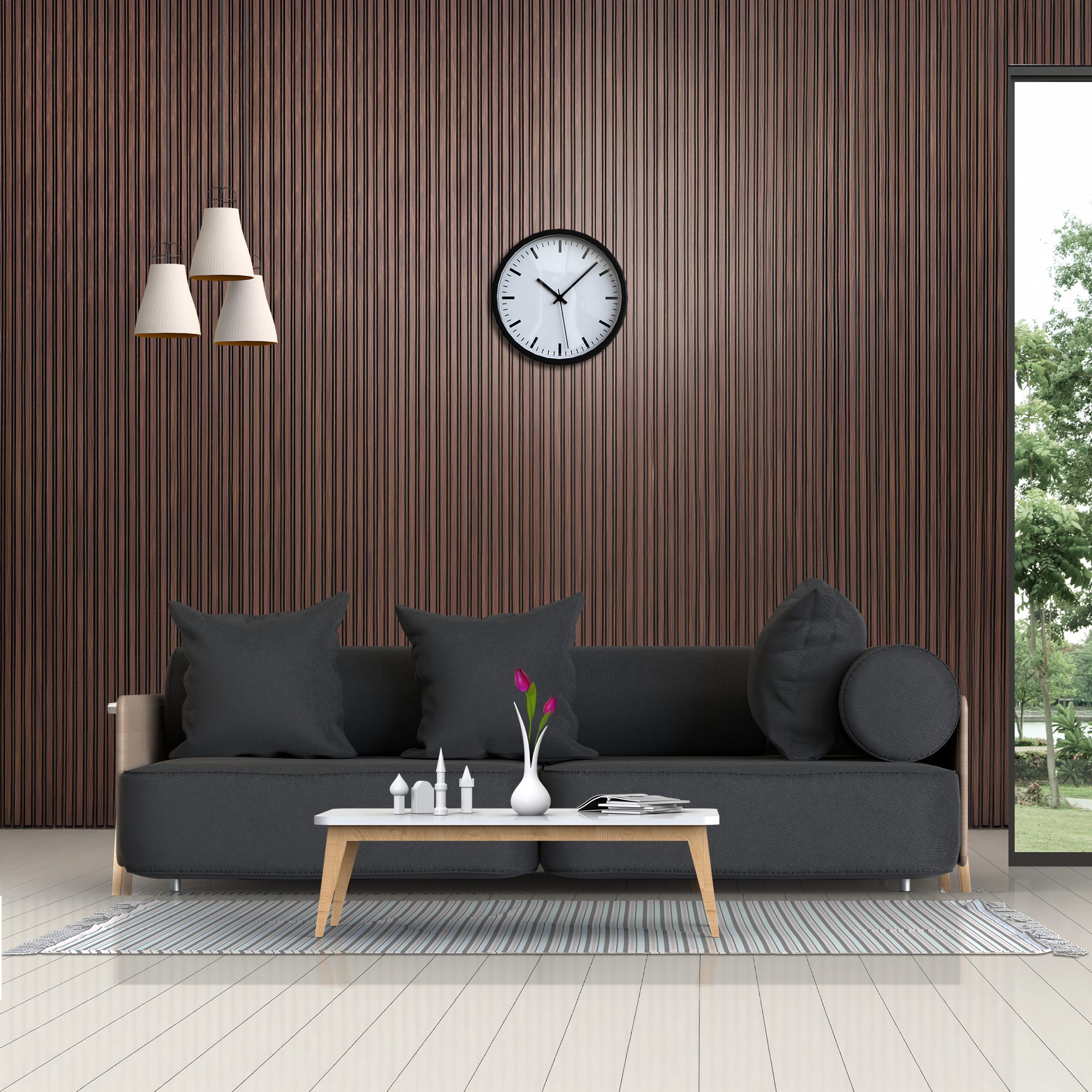
Modern PVC and composite cladding panels have transformed the external cladding market. Engineered to replicate the look of timber, stone, or contemporary finishes, these panels offer outstanding durability with minimal maintenance — making them the fastest-growing cladding category in Australia.
Pros: UV stabilised, moisture and rot resistant, no painting or sealing required, lightweight, wide range of finishes, consistent appearance
Cons: Higher upfront cost than basic timber or fibre cement, quality varies significantly between brands
Best for: Coastal homes, contemporary and Hamptons-style homes, low-maintenance builds, renovation projects
Key Factors to Consider When Choosing External Cladding
1. Your Climate Zone
Australia's climate zones vary dramatically. Coastal Queensland homeowners face very different challenges to those in inland Victoria or the Perth hills. Always choose a cladding product that is specifically rated and tested for your climate conditions — particularly UV resistance, moisture resistance, and salt air tolerance for coastal properties.
2. Maintenance Appetite
Be honest about how much maintenance you're willing to do. Timber cladding looks beautiful when freshly painted or oiled, but that finish requires regular upkeep. If you want a set-and-forget exterior, PVC or composite cladding is the smarter long-term choice.
3. Aesthetic and Architectural Style
Your cladding should complement your home's architectural style. Timber weatherboards suit heritage and coastal cottages. Sleek composite panels in charcoal or grey suit contemporary and Hamptons-style homes. Stone veneer adds prestige to traditional and modern builds alike.
4. Budget: Upfront vs Lifetime Cost
Don't just compare upfront material costs. Factor in the lifetime cost of maintenance, repainting, and potential replacement. A premium composite cladding that costs more upfront but requires zero maintenance over 20 years will almost always be cheaper in total than a lower-cost timber option that needs repainting every 3–5 years.
5. Installation Requirements
Some cladding systems require specialist installation. Lightweight composite panels are often suitable for experienced DIYers, while fibre cement and brick veneer typically require professional installation. Always check manufacturer installation requirements before purchasing.
6. Bushfire Attack Level (BAL) Rating
If your property is in a bushfire-prone area, your cladding must meet the required BAL rating under the National Construction Code. Check your BAL rating before selecting any cladding product and confirm the product is compliant.
What to Look for in a Quality External Cladding Product
- UV stabilisation: Essential for Australian conditions — look for products specifically tested for UV resistance
- Moisture resistance rating: Particularly important for coastal and high-rainfall areas
- Warranty: A quality product should come with a meaningful manufacturer's warranty covering fade, structural integrity, and surface performance
- Australian availability: Ensure your supplier can fulfil your full order from local stock — delays mid-project are costly
- Installation support: Look for suppliers who provide installation guides, technical support, and access to certified installers
THQ External Wall Cladding: Built for Australia
At THQ, we supply premium external wall cladding engineered specifically for Australian conditions. Our range includes UV-stabilised composite and PVC cladding panels in a wide range of contemporary finishes — from natural timber looks to sleek modern profiles in charcoal, white, and stone tones.
Every product in our external cladding range is selected for its performance in Australian climates, backed by manufacturer warranties, and available from Australian stock for fast, reliable delivery.
Browse our External Wall Cladding range or contact the THQ team for samples, technical advice, or a trade quote.