
Composite Decking vs Timber Decking: Which Is Better for Australian Homes?
Outdoor living is a huge part of the Australian lifestyle, and for most homeowners, building a deck is one of the best ways to extend their living space. For years, timber has been the go-to material, but with rising maintenance costs and changing weather conditions, many people are now turning to composite decking Australia suppliers for stronger, long-lasting alternatives.
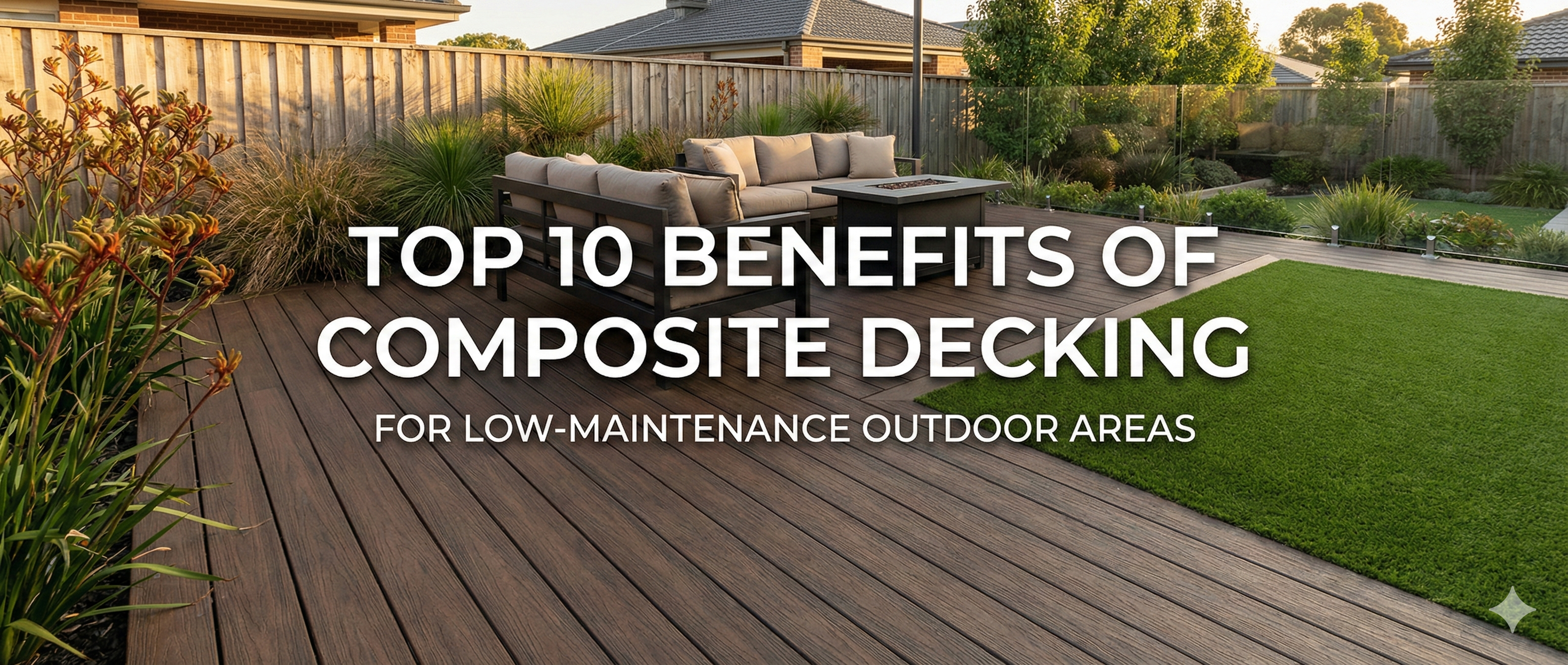
More homeowners are also exploring modern landscaping solutions like artificial grass Australia, pairing it with composite decking for a complete, low-maintenance outdoor transformation. As a result, composite decking has quickly become the preferred choice across the country often described by renovators as “the new standard for outdoor building materials.”
In this blog, we explore the key differences between the two materials and help you decide which option is better for your home.
The Material Difference: Timber vs Composites
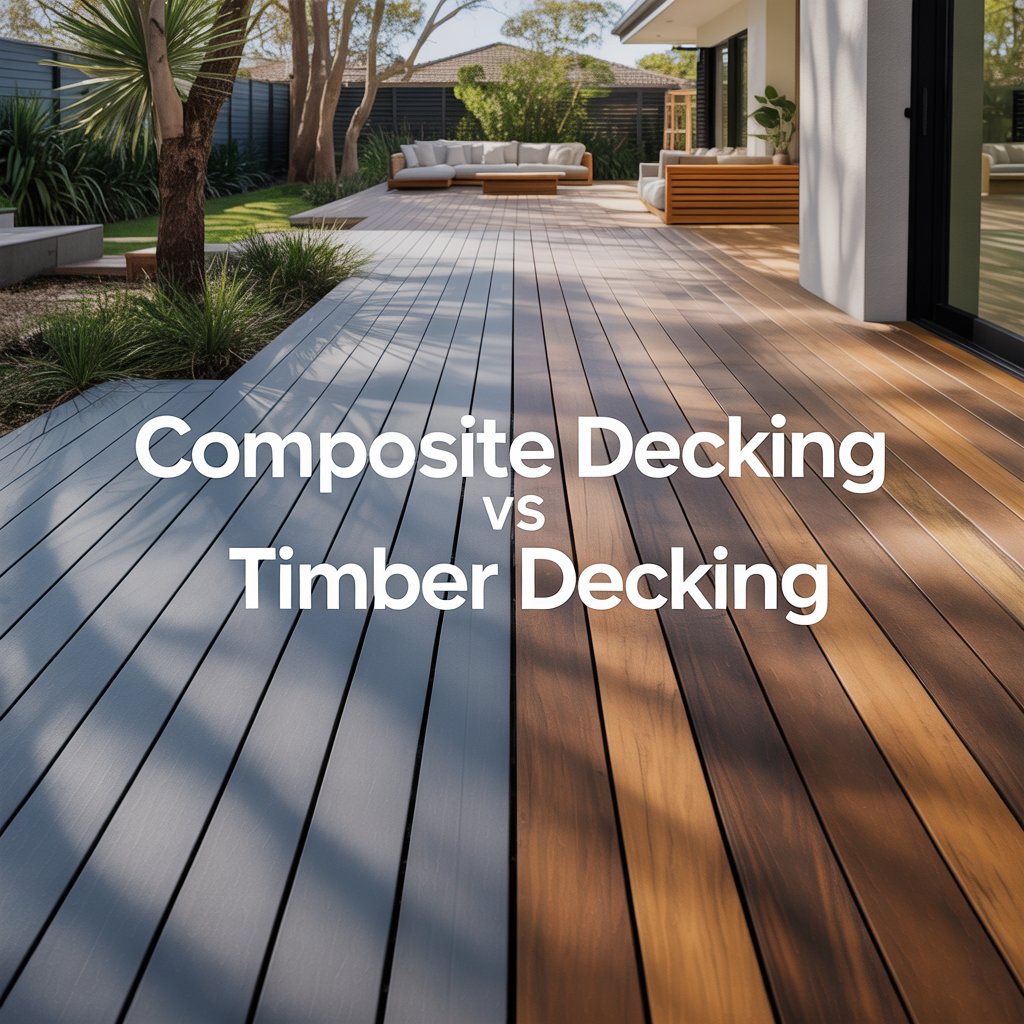
Traditional timber decking is made from natural hardwoods such as Merbau, Spotted Gum, or treated pine. While it offers a classic look, natural wood reacts quickly to moisture, heat, and UV exposure conditions that are extremely common in Australia. This often leads to warping, cracking, splintering, and fading.
On the other hand, composite’s decking Australia products are engineered using a mix of recycled plastics, wood fibres, and UV-resistant additives. THQ’s composite boards are built specifically for Australian conditions, offering the rich look of timber without the weaknesses. They do not absorb moisture, do not warp in the sun, and do not lose their colour as quickly.
Weather Performance: A Major Deciding Factor
Australia’s climate is unpredictable extreme heatwaves, sudden downpours, coastal humidity, and strong UV levels. Timber struggles to maintain its shape and appearance in these conditions. Even treated timber can fade rapidly or develop mould in damp environments.
By comparison, composite decking Australia products are created to handle the country’s demanding climate. THQ’s composite boards are UV-stabilised, moisture-resistant, rot-proof, and dimensionally stable. Even in extreme weather, composite decking keeps its structure and appearance intact, making it one of the most reliable outdoor materials on the market.
Maintenance Requirements: The Biggest Difference
Timber may look beautiful, but it demands constant attention. Homeowners must regularly oil, seal, sand, stain, and repair timber decks to keep them functional. Skipping these steps often results in faster deterioration.
Composite decking requires almost no maintenance. You don’t need to oil or paint it a quick wash with water and mild soap is all it takes. This makes composite decking the ideal solution for Australians who want a modern outdoor area without spending weekends maintaining it.
Many homeowners pair composite decking with artificial grass Australia to create a fully low-maintenance backyard that stays clean, green, and attractive all year long.
Aesthetic Appeal and Modern Design
Timber offers a natural appearance, but composite decking has evolved dramatically. Today’s boards feature deep wood-grain textures and a wide range of colours from warm ember to charcoal grey and coastal whites.
The biggest advantage? Composite colours remain stable for many years. They don’t fade under UV exposure the way timber does, making them the perfect choice for homeowners who want a clean, modern look with minimal upkeep.
This is why many renovators now install composite's decking Australia products in modern homes, new builds, and commercial outdoor areas.
Safety Considerations for Families and Entertainers
Safety is a big factor, especially for homes with children, pets, or pool areas.
Timber decks can become slippery when wet, splinter as they age, and warp over time creating tripping hazards.
Composite decking eliminates these issues. THQ’s composite boards are:
-
splinter-free
-
slip-resistant
-
resistant to mould and algae
-
safer for pool areas and backyards
This makes composite decking one of the safest outdoor materials available in Australia.
Eco-Friendliness and Sustainability
While timber comes from natural sources, it requires constant chemical treatments and contributes to deforestation unless responsibly sourced.
Composite decking is made using recycled plastics and wood fibres, reducing waste and offering a sustainable alternative. Pairing composite decking with artificial grass Australia also creates a modern outdoor space with minimal environmental impact, as both materials offer long life cycles and low water usage.
Cost: Short-Term vs Long-Term Investment
Timber is cheaper to install initially, but long-term costs are much higher due to maintenance, repairs, and replacements.
Composite decking costs slightly more upfront but pays for itself over time. With a lifespan of up to 30 years and minimal upkeep, composite decking becomes far more cost-effective in the long run.
This is why many homeowners, especially in coastal or high-sun areas, choose composite decking Australia products for their durability and value.
The Final Verdict
Both timber and composite decking have their advantages, but for most Australian homeowners, composite decking is the superior choice. It offers the beauty of timber with far greater strength, longevity, and weather resistance.
When combined with modern landscaping materials like artificial grass Australia, composite decking helps create a stylish, low-maintenance outdoor space that enhances your property’s value and lifestyle.
Why THQ Composite Decking Is a Top Choice
THQ provides premium composite decking engineered specifically for the demands of Australian homes. Our boards offer:
-
long-lasting colour stability
-
strong wood-grain texture
-
anti-slip surfaces
-
eco-friendly materials
-
low-maintenance durability
-
superior performance against heat, rain, and moisture
Whether you’re renovating your yard or building a new deck, THQ’s composite decking is a modern, reliable, and long-lasting solution.