

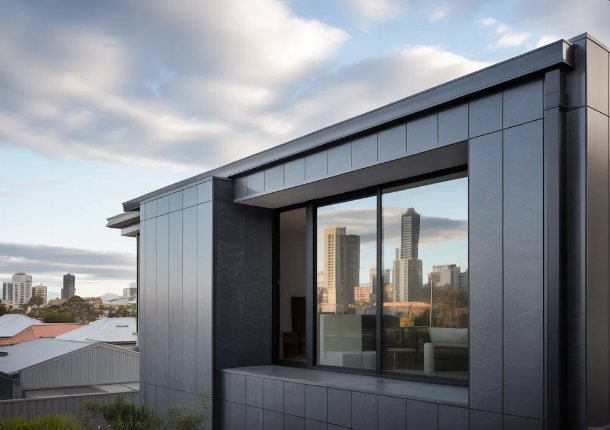
Top Wall Cladding Options for Melbourne Homes & Commercial Buildings (2025 Guide)
Top Wall Cladding Options for Melbourne Homes & Commercial Buildings (2025 Guide)
Wall cladding plays a major role in the appearance, durability, and energy efficiency of buildings in Melbourne. With the city’s changing weather conditions—hot summers, heavy rain, and cool winters—choosing the right wall cladding material is essential for long-term performance.
In this 2025 guide, we explore the top wall cladding options for Melbourne homes and commercial buildings, their benefits, costs, and where each option works best.
Why Wall Cladding Matters in Melbourne
Melbourne’s climate can impact building exteriors through:
-
Moisture exposure and heavy rainfall
-
UV radiation and heat
-
Temperature fluctuations
The right wall cladding improves insulation, protects the structure, and enhances curb appeal—making it a smart investment for both residential and commercial properties.
1. Composite Wall Cladding
Composite wall cladding is engineered using a blend of materials designed to handle harsh weather conditions.
Why It’s Popular in Melbourne
-
Resistant to moisture, mould, and termites
-
Low maintenance and long lifespan
-
Modern, consistent finish
Best for: Contemporary homes, offices, and retail buildings.
2. Aluminium Wall Cladding
Aluminium cladding is a lightweight and durable option commonly used in commercial buildings.
Key Benefits
-
Corrosion and rust resistant
-
Fire-resistant properties
-
Minimal maintenance
Best for: Commercial buildings, high-rise structures, and industrial properties.
3. Fibre Cement Wall Cladding
Fibre cement cladding is made from cement, sand, and cellulose fibres, offering strength and versatility.
Advantages
-
Excellent weather resistance
-
Fire and pest resistant
-
Suitable for both modern and traditional designs
Best for: Residential homes and mixed-use developments.
4. Timber Wall Cladding
Timber cladding delivers a natural and timeless look but requires ongoing care.
Pros & Cons
-
Natural warmth and texture
-
Requires regular sealing and maintenance
-
Can be affected by moisture if not treated properly
Best for: Feature walls and protected façades.
5. Stone & Stone-Look Cladding
Stone cladding provides a premium and high-end aesthetic.
Why Choose Stone Cladding
-
Extremely durable
-
Adds strong visual impact
-
High-end architectural appeal
Best for: Commercial buildings, luxury homes, and feature exteriors.
Cost of Wall Cladding in Melbourne (2025 Estimate)
Approximate material costs:
-
Composite cladding: AUD $90 – $160 per sqm
-
Aluminium cladding: AUD $100 – $180 per sqm
-
Fibre cement: AUD $70 – $130 per sqm
-
Timber cladding: AUD $80 – $150 per sqm
-
Stone cladding: AUD $150 – $300+ per sqm
Installation costs vary based on building type and complexity.
Best Wall Cladding for Melbourne Climate (Quick Comparison)
-
Low Maintenance: Composite, Aluminium
-
Budget-Friendly: Fibre Cement
-
Premium Look: Stone, Timber
-
Commercial Use: Aluminium, Composite
How to Choose the Right Wall Cladding in 2025
Consider:
-
Building type (home or commercial)
-
Exposure to weather
-
Maintenance expectations
-
Budget and design goals
A local Melbourne supplier can help ensure compliance with building standards and climate requirements.
Why Choose THQ for Wall Cladding in Melbourne
THQ supplies premium wall cladding solutions designed for Australian conditions. With a wide product range and expert guidance, THQ helps Melbourne homeowners and businesses choose durable, stylish cladding for long-term performance.
FAQs
Which wall cladding is best for Melbourne weather?
Composite and aluminium cladding perform best in Melbourne’s climate.
Is wall cladding suitable for commercial buildings?
Yes, especially aluminium and composite options.
Does wall cladding improve insulation?
Yes, it enhances thermal and acoustic performance.
Is wall cladding low maintenance?
Modern cladding materials require minimal upkeep.
%0AWall%20cladding%20plays%20a%20major%20role%20in%20the%20appearance,%20durability,%20and%20energy%20efficiency%20of%20buildings%20in%20Melbourne...)