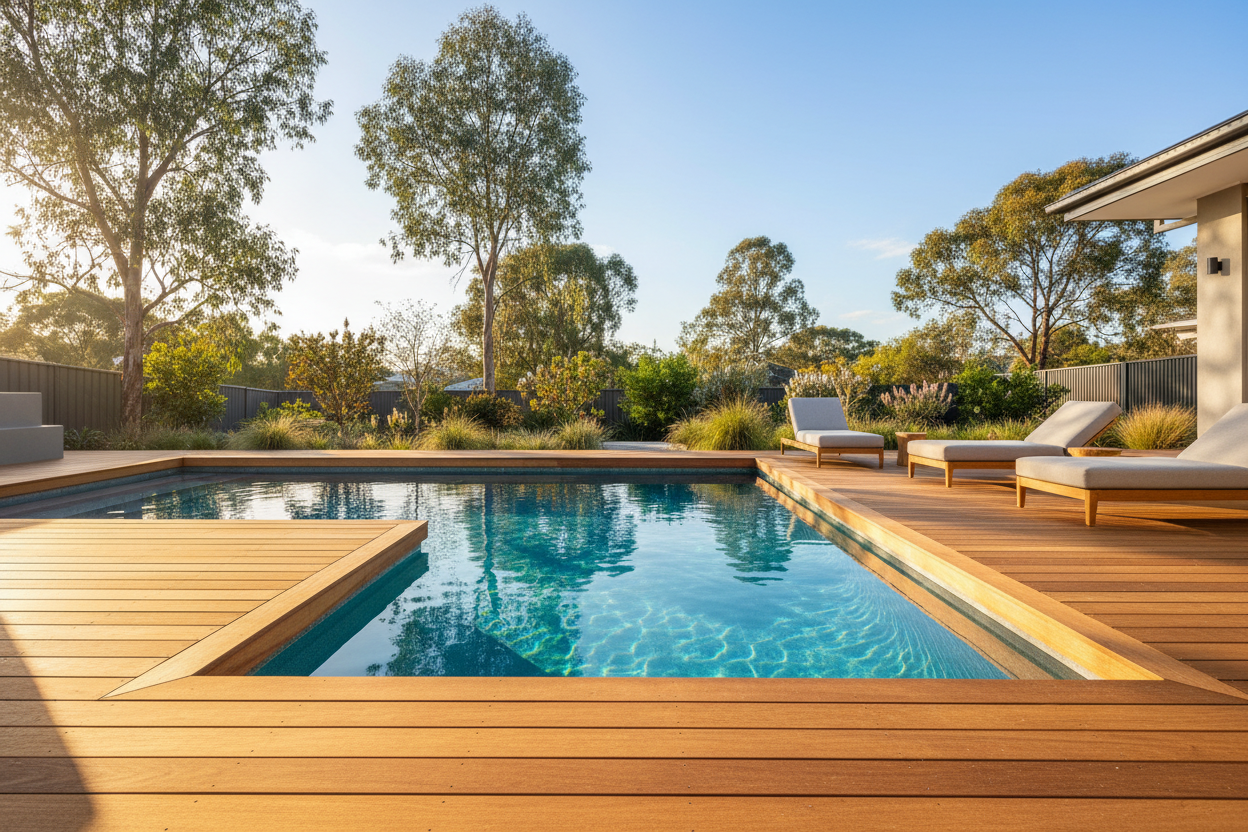

Composite Decking Installation Guide: What You Need to Know Before You Start
Composite decking is one of the best investments you can make in your outdoor living space — but like any building product, the quality of the result depends heavily on the quality of the installation. A well-installed composite deck will look stunning and perform flawlessly for decades. A poorly installed one can warp, gap, or fail prematurely, regardless of how good the boards are.
This guide covers everything you need to know before you start your composite decking installation — from subframe design to the final finishing board.
Step 1: Plan Your Deck Layout
Before ordering a single board, spend time planning your deck layout carefully. Key decisions at this stage include:
- Deck direction: Which way will the boards run? Boards running away from the house (perpendicular to the wall) is the most common layout and tends to make spaces feel larger.
- Board length: Measure your deck carefully and order boards in lengths that minimise waste and avoid unnecessary joins.
- Subframe orientation: Your joists must run perpendicular to your decking boards. Plan your subframe layout accordingly.
- Perimeter framing: Plan for fascia boards and bull nose edges at all visible perimeter edges.
Pro tip: Always add 10–15% to your board quantity calculation to account for cuts, waste, and any future repairs.
Step 2: Build a Solid Subframe
The subframe is the foundation of your deck — and it's the most critical part of the installation. Composite decking is only as good as the frame it sits on.
Joist spacing
For most THQ composite decking boards, joists should be spaced at 400mm centres for standard installations, or 300mm centres for diagonal installations (boards running at 45 degrees). Always check the specific installation guide for your board profile.
Subframe material
Treated pine is the most common subframe material in Australia and works well under composite decking. Ensure all timber is rated H3 or H4 for ground contact or in-ground applications. Steel subframes are also an excellent option, particularly for elevated or commercial decks.
Ventilation and drainage
Composite decking needs airflow underneath to prevent moisture buildup. Ensure your subframe design allows for adequate ventilation, particularly in enclosed under-deck spaces. A minimum 50mm clearance between the bottom of the joists and any surface below is recommended.
Subframe levelness
Your subframe must be level and true. Any twist or unevenness in the frame will telegraph through to the finished deck surface. Take the time to get this right — it's much harder to fix once the boards are down.
Step 3: Install the Hidden Fixing Clips
Most THQ composite decking boards are grooved on both long edges, allowing the use of hidden fixing clips. This is the preferred installation method as it leaves no visible fasteners on the deck surface — delivering a clean, professional finish.
How hidden clips work
Each clip slots into the groove of the decking board and is screwed down into the joist. The next board then slots into the other side of the clip, locking it in place. The clip holds the board firmly while maintaining the correct gap between boards.
Gap size
THQ's 2mm stainless steel hidden deck clips maintain a consistent 2mm gap between boards. This gap is important for two reasons:
- Drainage: Allows water to drain freely through the deck surface
- Expansion: Composite boards expand and contract with temperature changes — the gap accommodates this movement
Fixing into joists
Use stainless steel screws to fix clips into joists — particularly important in coastal environments where standard screws will corrode. Each clip should be fixed with two screws for maximum holding strength.
Step 4: Allow for Expansion Gaps
This is one of the most commonly overlooked aspects of composite decking installation — and one of the most important.
Composite boards expand and contract with temperature changes. In Australia's climate, this movement can be significant — particularly in areas that experience large temperature swings between summer and winter.
End-to-end expansion gaps: Leave a minimum 5–8mm gap at the ends of boards where they meet a wall, fascia, or another board end. This gap allows the board to expand without buckling.
Installation temperature: If installing in cold conditions, increase end gaps slightly to account for the fact that boards will expand more in summer heat. If installing in hot conditions, you can reduce end gaps slightly.
Never butt boards tight: Even if boards look perfectly fitted at installation, they will expand in summer heat. Boards installed without adequate expansion gaps can buckle, bow, or push against fixings — causing permanent damage.
Step 5: Cut Boards Cleanly
Composite decking can be cut with standard woodworking tools — a circular saw, mitre saw, or jigsaw all work well. Use a fine-tooth blade for the cleanest cut.
Tips for clean cuts:
- Score the cut line with a utility knife before cutting to reduce splintering on the cut edge
- Support the board fully on both sides of the cut to prevent the offcut from dropping and tearing
- Cut with the decorative face up when using a circular saw (blades cut on the upstroke, so face-up gives a cleaner finish on the top surface)
- Lightly sand cut ends with 120-grit sandpaper to smooth any roughness
Step 6: Install Fascia and Finishing Boards
The perimeter of your deck is where the installation really comes together visually. THQ's co-extrusion fascia boards and bull nose boards are designed to cap the subframe and exposed board edges for a clean, professional finish.
- Fascia boards: Fixed to the outside face of the perimeter framing to conceal the subframe and board ends
- Bull nose boards: Used at stair nosings and deck edges where a rounded, safe edge profile is required
Colour-match your fascia and bull nose to your decking boards for a seamless, integrated look.
Common Installation Mistakes to Avoid
- ❌ Installing joists at the wrong spacing — always check the manufacturer's specification for your specific board
- ❌ Skipping expansion gaps at board ends — this is the most common cause of composite deck failure
- ❌ Using non-stainless fixings in coastal areas — they will corrode and stain your deck
- ❌ Installing on an uneven subframe — take the time to get the frame level before laying a single board
- ❌ Not allowing for adequate under-deck ventilation — moisture buildup accelerates subframe deterioration
Need Help with Your Installation?
THQ supplies composite decking to homeowners, builders, and landscapers across Australia. If you'd like advice on your specific project — including board quantities, subframe design, or fixing systems — our team is here to help.
Browse our Co-Extrusion Composite Decking range and Decking Accessories, or contact the THQ team for technical support and trade pricing.