
Common Decking Problems (and How Composite Decking Solves Them)
Building a beautiful outdoor deck is one of the best ways to elevate your home’s value and lifestyle. However, many homeowners who choose traditional timber often face recurring problems splinters, weather damage, warping, termites, endless maintenance, and safety issues around stair edges.
In modern Australian homes, composite decking is becoming the go-to solution for these challenges. It not only solves the problems associated with timber but also works incredibly well with features like stairs bullnose, stair edge nosing, and other timber stair parts making your entire outdoor area safer, stronger, and more stylish.
Here’s a deep dive into five common decking problems and how composite decking provides long-term solutions.
Problem 1: Timber Decking Warps, Cracks & Splinters
Traditional timber expands and contracts with weather changes.
In Australia’s climate—strong UV rays, humidity, and sudden temperature shifts—this often causes:
-
cracks
-
splinters
-
warped boards
-
uneven surfaces
-
unsafe edges
These issues can make your deck uncomfortable and even risky for children and pets.
✅ How Composite Decking Solves It
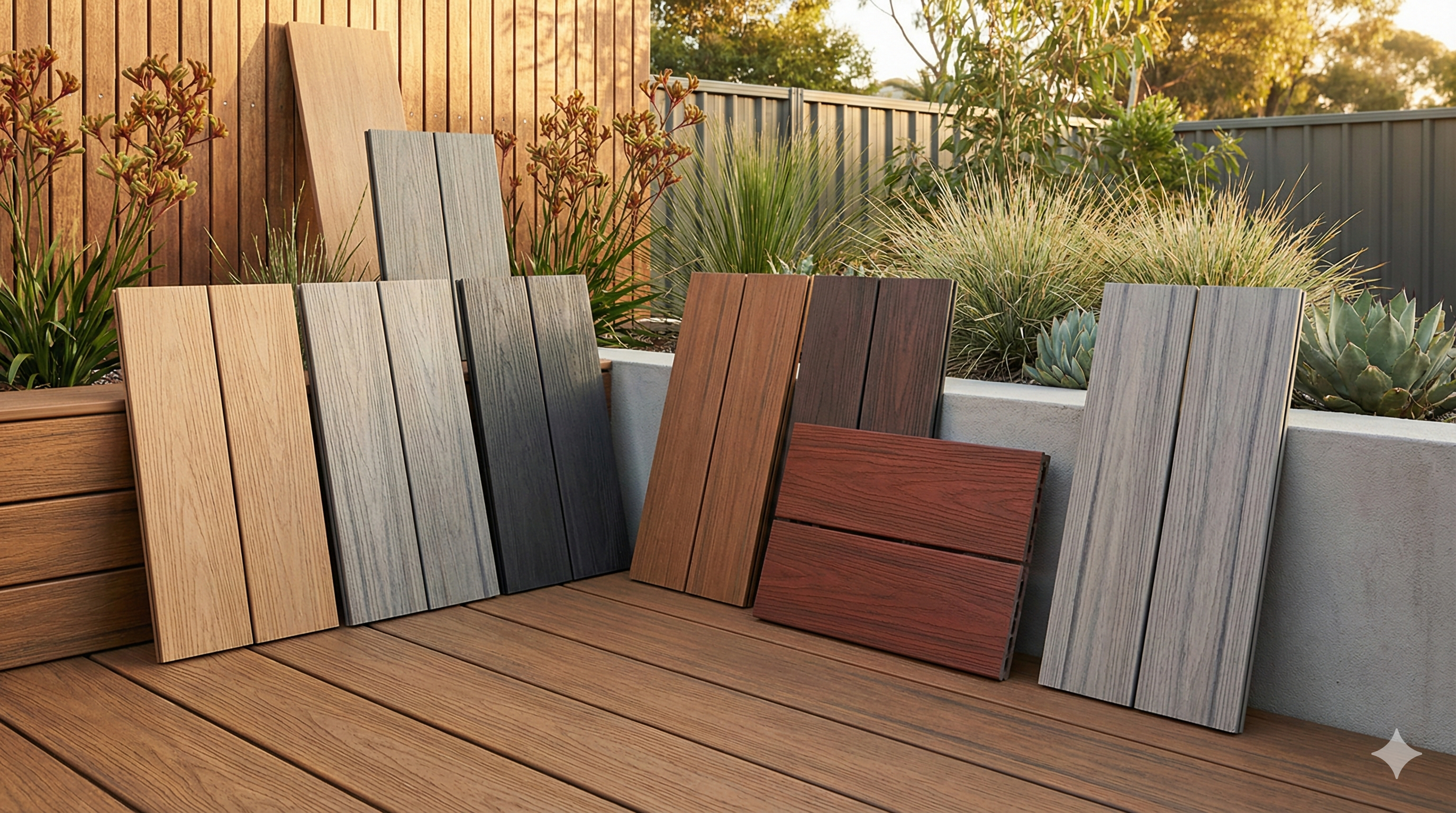
Composite decking boards are engineered from recycled timber fibres and polymers, making them far more stable.
They stay smooth and splinter-free, maintaining their shape year-round.
If your deck includes bullnose timber stairs or timber stair parts, composite stair profiles or matching stair edge nosing improve durability and eliminate sharp or uneven edges.
Problem 2: Constant Maintenance & Repainting
Timber decks require non-stop upkeep:
-
sanding
-
oiling
-
staining
-
sealing
-
repairing
-
repainting
On average, a timber deck needs maintenance every 6–12 months.
✅ How Composite Decking Solves It
Composite decking is low-maintenance.
You only need occasional cleaning with mild soap and water—no sanding, no staining, no painting.
Even stair areas that normally wear out quickly—like stairs bullnose and step edges—stay cleaner and sharper because composite materials resist scuffing and fading.
Problem 3: Slippery & Unsafe Steps
Timber becomes slippery when wet, creating hazards on:
-
steps
-
deck edges
-
landing areas
-
stair treads
Without proper stair edge nosing or bullnose finishing, the risk of slipping increases.
✅ How Composite Decking Solves It
Composite boards come with high-grip, slip-resistant textures—ideal for areas exposed to rain or around pools.
Composite stair components such as:
-
matching bullnose steps
-
stair edge nosing
-
reinforced stair trims
provide better traction and enhanced visual safety, especially for families and elderly visitors.
Problem 4: Fading, Staining & Weather Damage
Australia’s UV exposure leads to:
-
fading timber colour
-
surface dryness
-
water staining
-
mould growth
-
peeling finishes
Timber simply doesn’t hold its appearance for long without regular treatments.
✅ How Composite Decking Solves It
High-quality composite boards include UV-resistant pigments and waterproofing technology that protect them from:
-
sun damage
-
rain
-
moisture
-
stains
-
mould
Composite stair features, including timber stair parts replacements, keep their colour and shape for years—even under heavy foot traffic.
Problem 5: Termite Damage & Rot
One of the biggest risks with timber decks in Australia is termite infestation.
Termites can destroy:
-
deck boards
-
stair treads
-
handrail posts
-
structural beams
-
bullnose stair edges
Moisture also causes rot and fungal decay, especially on stairs and edges.
✅ How Composite Decking Solves It
Composite decking is 100% termite-resistant.
It doesn't rot, decay, or attract pests.
Replacing bullnose timber stairs with composite bullnose profiles provides long-term durability and safety—no rot, no pests, no weakening.